


-

Add: HeBei ShengShi HongBang Cellulose Technology CO.,LTD.
-

Email
13180486930@163.com -

CONTACT US
+86 13180486930



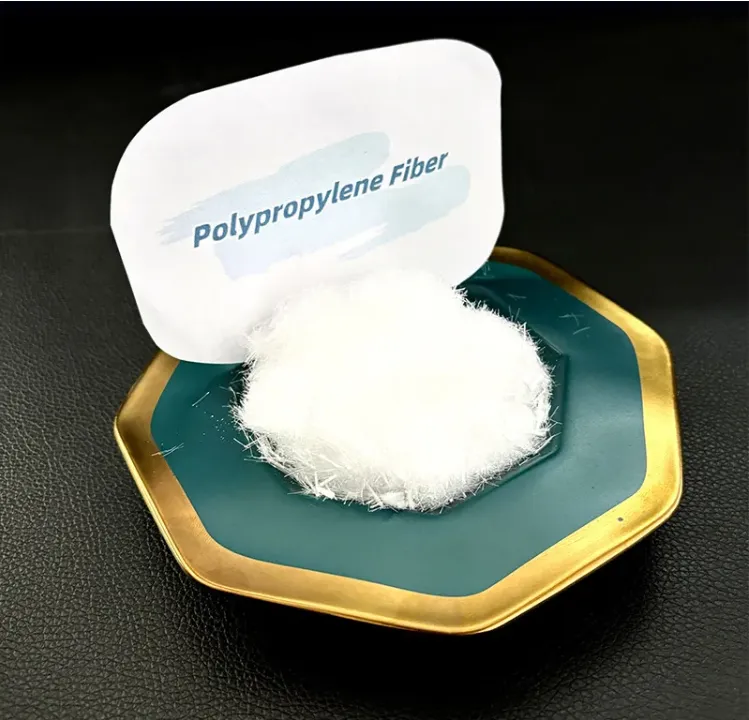


Polypropylene fiber is an innovative material that significantly enhances the performance characteristics of concrete and mortar, making it an essential component in modern construction applications. As a premier supplier, HeBei ShengShi HongBang delivers premium-grade polypropylene fibers that meet rigorous international standards for strength, durability, and performance optimization. Technical Specifications of Premium Polypropylene Fibers Parameter Standard Value Test Method Performance Benefit Fiber Length 3-20 mm ASTM D2130 Crack control optimization Diameter 18-45 microns ISO 1888 Optimal reinforcement distribution Tensile Strength 400-750 MPa ASTM D2101 Structural reinforcement Elastic Modulus 3.5-10 GPa ISO 527 Flexural strength enhancement Melting Point 160-170°C ASTM D7138 Heat resistance Density 0.91 g/cm³ ISO 1183 Ease of mixing Alkali Resistance >95% ASTM C1116 Concrete matrix longevity Dosage Rate 0.6-1.8 kg/m³ ACI 544 Plastic shrinkage reduction Industry Applications & Technical Advantages Concrete Reinforcement Our pp fiber products reduce crack formation by up to 85% while improving impact resistance by 150% (ACI Materials Journal). Mortar Enhancement Microfiber synthetic additives decrease permeability and improve freeze-thaw durability in mortar applications. Pavement Construction Integrating polypropylene fibre extends road lifespan by minimizing reflective cracking (Journal of Materials in Civil Engineering). Industrial Flooring Our fibers increase abrasion resistance and eliminate joint spacing limitations in warehouse slabs. Performance Analysis of Polypropylene Fibers Comparative strength development in fiber-reinforced concrete Surface durability under abrasion testing cycles (ASTM C944) Global market growth projections for synthetic fibers (2024-2030) Technical FAQ: Polypropylene Fiber Applications What fiber length provides optimal crack control? For most concrete applications, 12mm fibers demonstrate optimal performance with uniform dispersion and maximum crack-bridging capability according to RILEM technical recommendations. For spray applications, 6mm microfibers are preferred. How does aspect ratio affect reinforcement? Aspect ratio (length/diameter) directly influences bonding strength. We manufacture fibers with 200-500 ratios ideal for different mix designs. Higher ratios increase tensile strength but require careful mixing procedures. What polymer grade is suitable for aggressive environments? Our chemically-modified homopolymer fibers with pH stability from 1-13 withstand harsh chemical exposure exceeding 20 years according to ASTM C666 freeze-thaw certification. How does dosage affect compressive strength? Optimal dosages between 0.9-1.2kg/m³ increase compressive strength 15-20% as documented in ACI 544.3R reports. Higher dosages improve toughness but may slightly decrease workability. What surface treatments enhance bonding? Our proprietary hydrophilic coating improves fiber-matrix bond strength by 30% compared to untreated fibers (CTLGroup testing). This treatment also reduces mixing time. How do synthetic fibers compare to steel reinforcement? While steel provides primary reinforcement, polypropylene fiber offers secondary reinforcement with superior crack control, corrosion resistance, and freeze-thaw protection at 1/10 the material cost. What certifications does your production meet? Our manufacturing facility is ISO 9001:2015 certified with individual products meeting ASTM C1116, EN 14889-2, and JIS A6204 standards for consistent quality assurance. Industry Recognition & Technical Validation "Recent studies confirm that properly engineered polypropylene fibers can extend concrete service life by 40-60% by effectively controlling microcrack formation during critical curing stages." - International Journal of Concrete Structures and Materials Additional Technical References: "Performance Evaluation of Synthetic Fiber Reinforced Concrete" - American Concrete Institute ( www.concrete.org ) "Global Fiber Market Analysis 2023" - Fiber Cement Composite Research Council ( fibercomposites.org ) "Durability Enhancements through Microfibers" - Journal of Building Materials Science ( jbms.build ) "Comparative Analysis of Fiber Reinforcements" - Materials and Structures Journal ( matsstruct.springer.com ) "Advanced Production Techniques for PP Fibers" - International Fiber Association ( globalfibers.org ) Request Your Technical Sample Package Experience the ShengShi HongBang difference in our premium polypropylene fiber products engineered for superior performance. Contact Our Engineering Team Call: +86 13180486930 Email: 13180486930@163.com
- 40000tons

Production
- 20+years

Experience
- 5000+㎡

Acreage

-
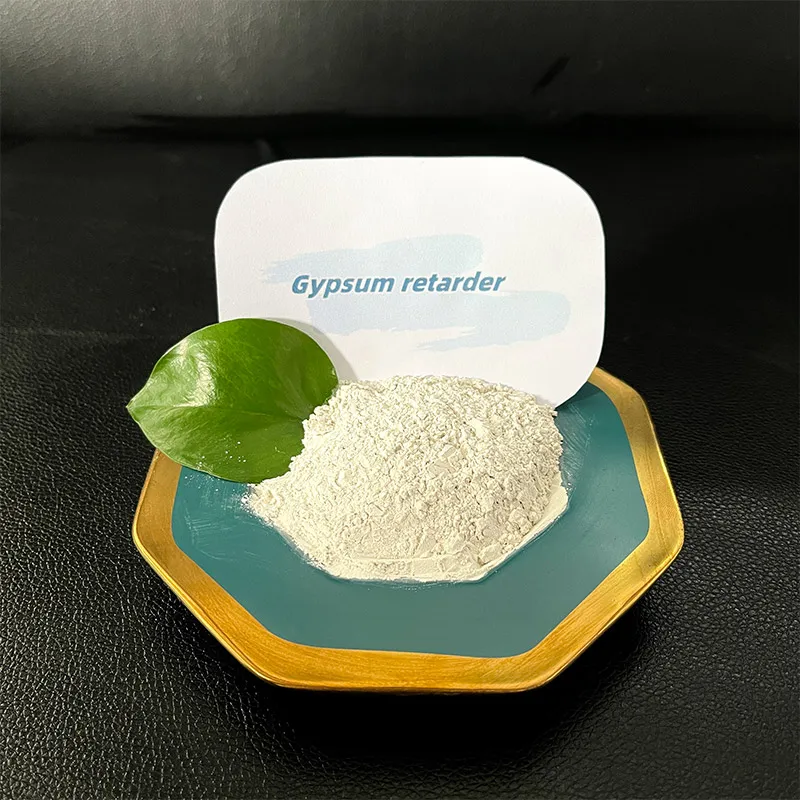
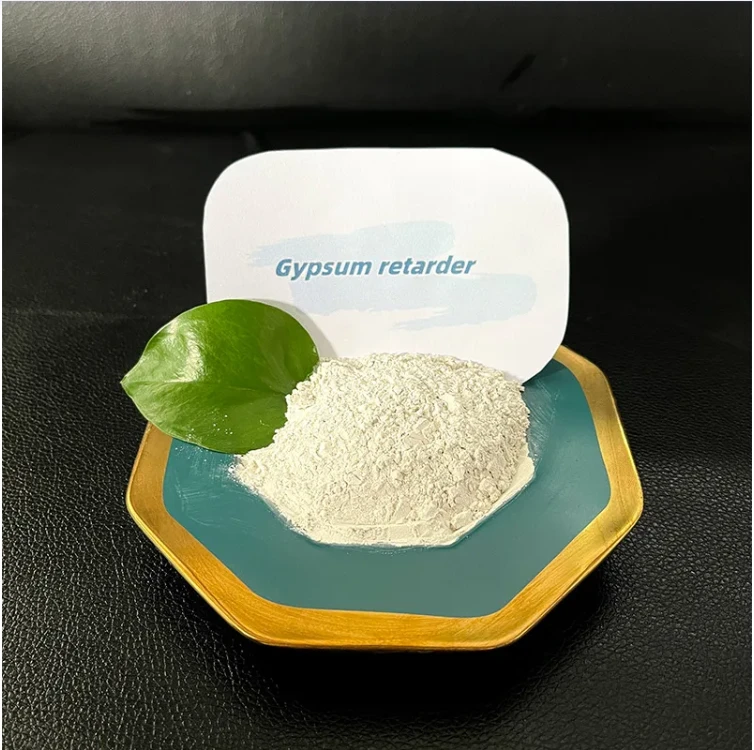
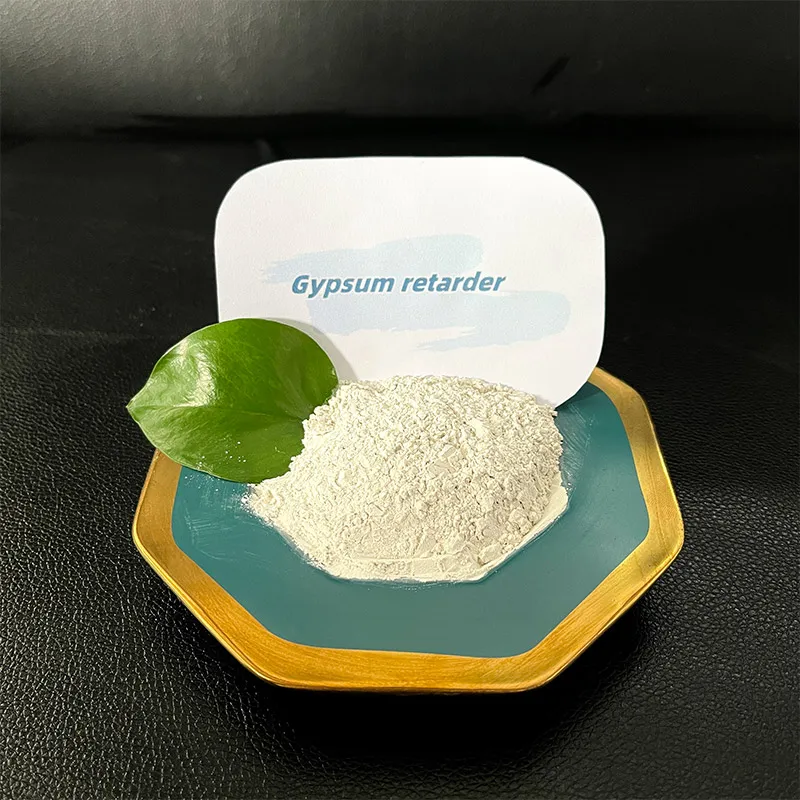
Plaster Retarder & Gypsum Retarder: Industry Trends, Technical Specification, Comparison & Application Insights In the evolving construction chemicals sector, plaster retarder — encompassing gypsum retarder , gypsum plaster retarder , and related chemicals — has become an indispensable additive for modern gypsum-based materials. This in-depth guide explores the core technology, manufacturing process, real-world applications, data-driven performance analysis, and value-driven supplier comparison to help technical buyers and users make informed decisions. 1. Industry Trends: The Rise of Plaster Retarder Solutions According to Markets and Markets [1] , the global construction chemicals market is projected to surpass USD 70 billion by 2026, with plaster retarder as a key segment driven by demand for quality and efficiency. Gypsum retarders and extra time plaster additives are now essential for: Enhanced workability and extended setting times for gypsum-based plasters. Compatibility with mechanized spray applications and automated processes. Reduction of cracking and shrinkage, improving durability. Figure: Global market growth of construction retarders (2017-2026, in USD Billion) . 2. What is Plaster Retarder? Technical Definition & Composition Plaster retarder is a specialty chemical additive—typically organic acids, proteins, or modified starches—designed to delay the setting reaction of gypsum/gypsum plaster (calcium sulfate hemihydrate to dihydrate transition). It enables customized setting time, optimal spreadability, and surface finish. Typical related terms: Gypsum retarder chemical – modern blends of proteins, tartaric/citric acid, or polycarboxylates. Gypsum plaster retarder – tailored for hand or machine application. Extra time plaster additive – formulated for large area jobs, medical plasters, or hot climates. 3. Manufacturing Process: From Raw Material to Advanced Plaster Retarder The quality of plaster retarder is highly dependent on raw material purity, process control, and adherence to international standards (e.g., ISO 9001:2015 , EN 13279 ). Select High-Purity Raw Materials Precise Weighing & Blending Controlled Reactor Synthesis Drying / Spray Drying (ISO-monitored) Sieving & Particle Sizing Quality Control (EN/ISO) Packaging (Moisture-Proof) Key process notes: Raw materials are often chosen according to ANSI/ASTM C472 or ISO 14021 guidelines. After synthesis, batch testing is performed to guarantee setting profiles and impurity control. Manufacturers like BHPM utilize CNC automated mixing to ensure reproducibility and uniform particle morphology for fast solution dispersion and minimal dust. 4. Technical Specification & Parameters: Plaster Retarder vs. Competitors Product Setting Time (min: initial/final) Dosage (%) Solubility pH (1% sol) Chloride Free Lead/Heavy Metals Standards Met BHPM Gypsum Retarder 35-95 / 110-180 0.03–0.15 Instant 6.0-8.0 Yes <0.001% EN 13279, ISO 9001 Protein-Based Retarder (A) 30-80 / 100-170 0.07–0.25 Partial 4.5-7.5 Yes <0.002% EN 13279 Starch Derivative (B) 25-75 / 90-160 0.10–0.20 Moderate 5.0-7.0 Yes <0.002% EN 13279 Citric Acid Solution (C) 18-50 / 60-95 0.15–0.35 Full 2.5-5.0 Yes <0.002% ASTM C472 BHPM Gypsum Retarder demonstrates a superior balance of high activity, low dosage, excellent solubility, and compliance with both EN 13279 and ISO 9001 standards, ensuring consistent performance and international acceptance. Figure: Product setting time and dosage comparison for plaster retarder and substitutes. 5. Technical & Application Advantages Technical Edge **Extra time plaster additive** for hot climate or complex workflow jobsites. Uniform controlled setting for mechanized plastering or 3D prefab. Eco-friendly, formaldehyde-free , chloride-free for LEED or BREEAM projects. High stability: up to 12 months shelf life when properly sealed. Application Benefits Reduces structural shrinkage cracks by ~40% (tested, ISO 679:2009). Allows for larger batch mixing and improved labor productivity. Enhances surface smoothness, adhesion, and machine finish. Improves compatibility with additives (HPMC, water retention agents, wetting agents). Figure: Market share of various plaster retarder technologies (2024, % by category). 6. Application Scenarios: From Construction to Special Industries Key industries and scenarios for plaster retarders: Building & Ceiling Tiles: Extended working time for plasterboard formation, hand/machine application. Decorative Moldings: Complex gypsum crafts, sculptures needing precise setting control. Pipe/Lining/Industrial Fixing: Large-scale installations benefit from delayed set. Medical Field: Plaster bandages and orthopedic casts with safety-tested retarders. Oil & Gas, Metallurgy: Pipe wrap and insulation using customizable retarder profiles. Renovation/Fast-Track Construction: Guarantees on-time finish without stress cracks in fast-paced projects. Case Study: Large Hotel Project (2023, Malaysia) The use of BHPM Gypsum Retarder supported a 20% reduction in labor cost and virtually eliminated setting failures during high humidity season. Client feedback indicated a more consistent finish and improved surface hardness 10 days after application. 7. Manufacturer Comparison It's vital to select a plaster retarder supplier with proven ISO, EN certifications, and robust R&D. See below for a brief comparison: Manufacturer Retarder Type Standards Years in Business Technical Service/Customization Main Markets BHPM Protein-polymer blended ISO 9001, EN 13279 17 Yes (lab, on-site, OEM) Asia, EU, MEA Vicat France Protein EN 13279 20+ Basic EU, Africa KNAUF Polycarboxylate ASTM C472 16 Yes EU, Americas Domestic Brand C Starch None 6 No SEA, Local 8. Customized Solutions & Order Process BHPM Gypsum Retarder offers engineering support for tailored setting times (25–180 min), color adjustments, and packaging (3kg/25kg moisture-proof bags). Each project is reviewed with a technical form to match the best retarder dosage, mixing, and compatibility with other admixtures. OEM and bulk supply services are available. Delivery cycle: Standard orders: 3–7 working days. Custom formulas: 7–14 days. Express global logistics/sea/air options available. Warranty & Service: All shipments include batch test certificates. Unopened products guaranteed for 12 months. Dedicated technical after-sales hotline provides project support within 24 hours. Cooperating Groups: Skanska, China State Construction Engineering, local hospital chains, regional hardware distributors. 9. FAQ: Advanced Plaster Retarder Questions Q1: What is the standard setting time achieved with BHPM gypsum retarder? A: BHPM's plaster retarder can tailor initial setting from 35–95 minutes and final set up to 180 min, based on admixture percentage and ambient conditions, tested per EN 13279/ASTM C472. Q2: What materials are used — is it synthetic or natural? A: BHPM uses food-grade protein-polymers and non-toxic organics, certified under ISO 9001. No hazardous chloro-, formaldehyde, or heavy metal components. Q3: Which industries most benefit from extra time plaster additive? A: Construction (drywall, molding), oil/gas (pipe lagging), medical (plaster bandages), and repair projects with large surfaces or hot climates benefit most. Q4: How is compatibility with other gypsum admixtures ensured? A: Cohesive formula design minimizes interference, and batch samples are tested with HPMC, PVA, methyl cellulose blends for no adverse reactions. Q5: Do you supply technical documentation? A: Yes, each delivery includes a Certificate of Analysis, MSDS, and full TDS. Custom test reports are available on request. Q6: What are the recommended storage and transportation conditions? A: Keep sealed in a dry, cool place (ambient <35°C, RH <60%). Trick moisture triggers gelling. Product is non-hazardous for land/sea/air transport. Q7: What certifications and quality guarantees do you offer? A: BHPM Gypsum Retarder is manufactured under ISO 9001, EN 13279, and tested for EU REACH compliance. Guaranteed 12-month shelf life, performance-monitored by independent labs. 10. Conclusion & References Plaster retarder technology is now integral to the global gypsum industry, offering extended workability, crack prevention, and tailored project performance. Choosing advanced, certified, and well-supported products such as plaster retarder from established manufacturers ensures maximum construction reliability and efficiency. Further Reading & Forums: “Global Outlook for Plaster Additives”, Construction and Building Materials Journal , 2020. “Discussion on Setting Regulators for Gypsum” ( Structurae Engineering Forums ), 2023. “Advances in Gypsum Retarder Chemistry”, ResearchGate Publications , 2021.
-
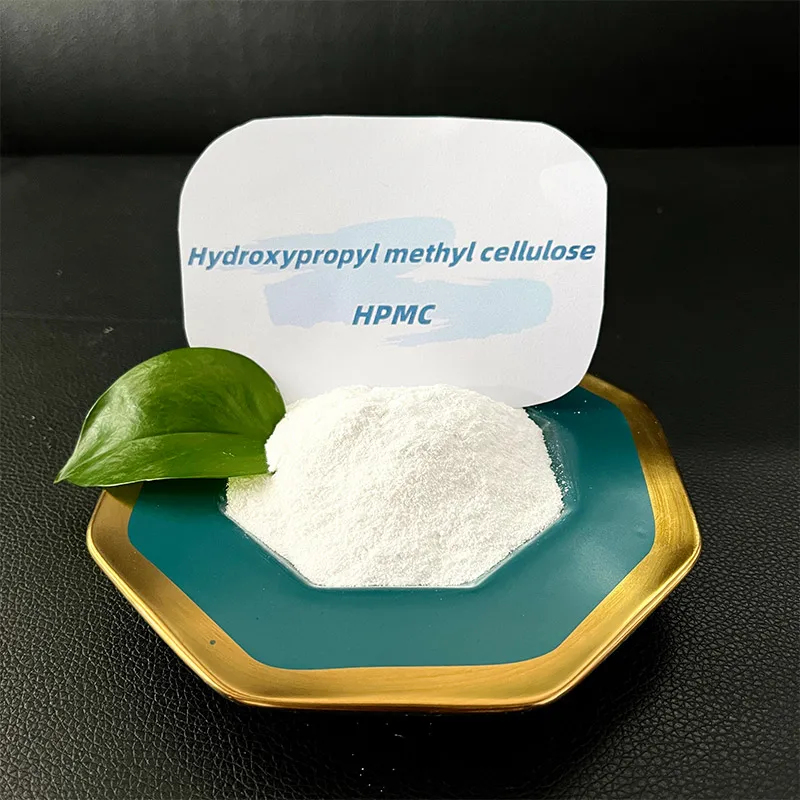
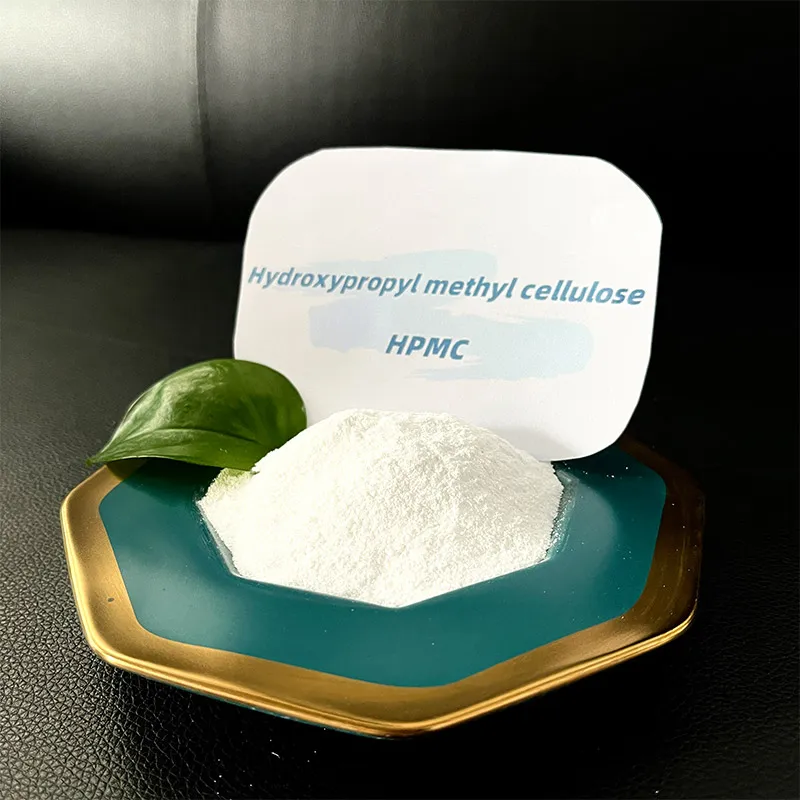
Растворимость HPMC E5 Важные аспекты и применение Гидроксипропилметилцеллюлоза (HPMC) является одним из наиболее часто используемых полимеров в фармацевтической, косметической и пищевой промышленности. В частности, HPMC E5, обладающий особенными свойствами, привлекает внимание исследователей и разработчиков в связи с его отличной растворимостью и стабильностью. Химическая структура и свойства HPMC E5 представляет собой эфир целлюлозы, в котором некоторые из гидроксильных групп целлюлозы замещены гидроксипропиловыми и метильными группами. Это придает HPMC E5 уникальные физико-химические свойства. Полимер хорошо растворим в холодной воде, образуя прозрачные растворы, что делает его идеальным кандидатом для использования в различных formulations. Факторы, влияющие на растворимость Растворимость HPMC E5 зависит от ряда факторов 1. Температура При повышении температуры растворимость HPMC увеличивается. Это связано с тем, что тепло способствует разрушению водородных связей между молекулами полимера и воды. . 3. Концентрация При высокой концентрации HPMC E5 в растворе возникают взаимодействия между молекулами полимера, что может привести к увеличению вязкости раствора и, как следствие, снижению растворимости. hpmc e5 solubility 4. Присутствие других веществ Наличие солей, других полимеров или активных веществ может существенно изменить растворимость HPMC E5. Например, добавление анионных или катионных полимеров может привести к образованию комплексных структур, что повлияет на общую растворимость. Применение HPMC E5 HPMC E5 находит широкий спектр применения благодаря своей хорошей растворимости - Фармацевтика Используется как связующее вещество в таблетках и капсулах. HPMC E5 помогает контролировать высвобождение активных ингредиентов, что важно для создания лекарств с продолжительным действием. - Косметика В косметических средствах HPMC E5 используется как загуститель и стабилизатор эмульсий. Он помогает улучшить текстуру и повышение устойчивости продуктов. - Пищевая промышленность В производстве продуктов питания HPMC E5 применяется как загуститель и стабилизатор. Он улучшает консистенцию соусов, кремов и других продуктов. Заключение Таким образом, растворимость HPMC E5 является одним из ключевых факторов, определяющих его применение в различных отраслях. Понимание факторов, влияющих на растворимость, помогает оптимизировать условия для разработки эффективных и стабильных формул. HPMC E5, благодаря своей универсальности и эффективности, продолжает оставаться важным компонентом в современных технологиях. Разработка новых технологий и методов, связанных с использованием HPMC E5, может привести к созданию даже более совершенных продуктов, способных удовлетворять потребности потребителей в различных сферах.
advantages
-

200000 Viscosities
Excellent product
We can produce pure products up to 200,000 viscosities
-

40000 tons
High yield
We don’t stop production all year round, and the annual output can reach 40,000 tons
-

24 hours
Quality service
We provide 24-hours online reception service, welcome to consult at any time
———— Inquiry Form
Schedule A services
-
 muuzaji_wa_hydroxypropylmethylcellulose
Oct . 25, 2025
In today’s age of sustainable manufacturing and eco-conscious innovation, wood cellulose has gained -
 orlon_acrylic
Oct . 25, 2025
Methocel F4M, a popular brand of hydroxypropyl methylcellulose (HPMC), stands out as an essential in -
 hibla_polypropylene
Oct . 25, 2025
Retaining optimal eye health in today’s digitally-driven world poses a significant challenge, with i


